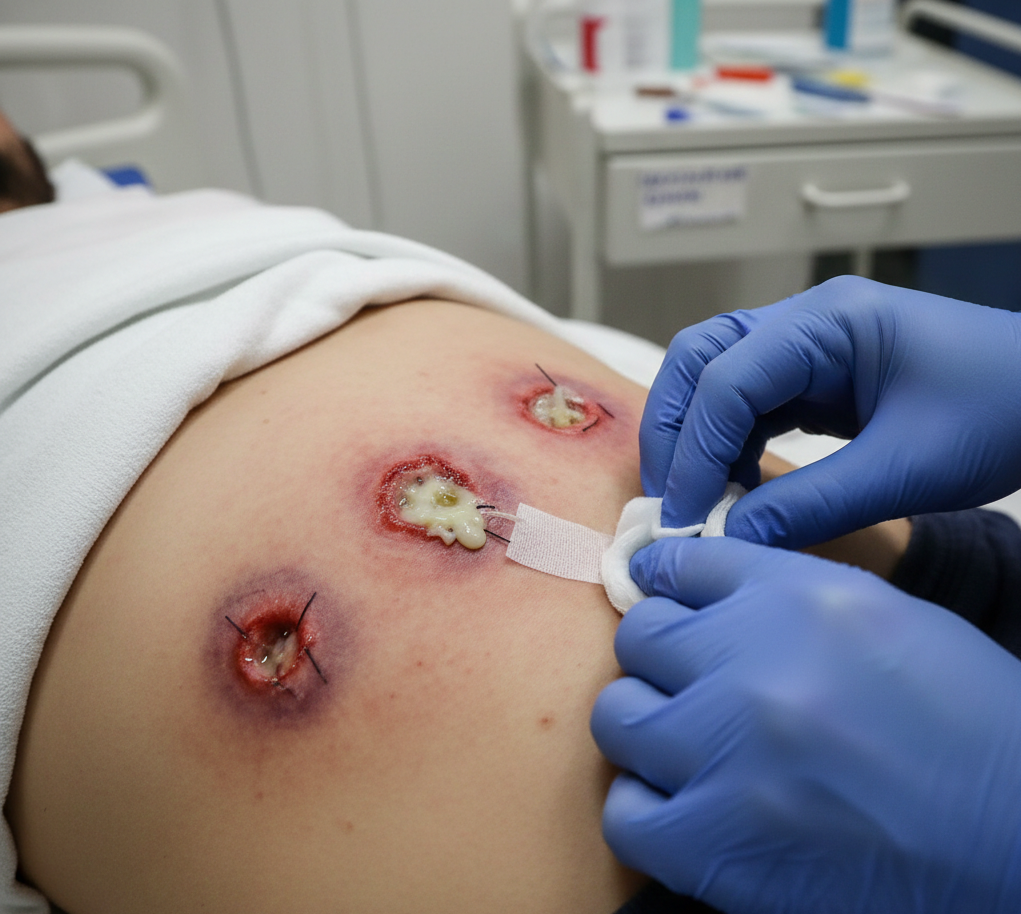
Scalpel and Silence: Underreported Surgical-Site Infections in Laparoscopic Appendectomies Across Regional Hospitals
Nikos Papadopoulos¹, Eleni Kosta²
Keywords:
Surgical-Site Infection, Laparoscopic Appendectomy, Post-Discharge Surveillance, Infection Underreporting, GreeceAbstract
Background:
Laparoscopic appendectomy is one of the most common emergency surgeries performed globally. While considered low-risk, surgical-site infections (SSIs) remain a persistent and underreported complication, particularly in decentralized or non-academic hospital settings.
Methods:
A retrospective cross-sectional study was conducted in five regional Greek hospitals between January 2021 and December 2023. A total of 1,146 laparoscopic appendectomies were reviewed. SSI rates were evaluated using CDC criteria and compared between in-hospital documentation and 30-day post-discharge phone-based surveillance. Risk factors and delay in detection were analyzed using multivariate regression.
Results:
Official hospital records reported an SSI rate of 3.6% (n = 41), whereas 30-day surveillance identified 7.9% (n = 91) of patients with confirmed or probable SSIs (p < 0.001). Among these, 58.2% were superficial, 32.9% deep incisional, and 8.9% organ-space infections. Key independent predictors included preoperative fever (OR: 2.3, p = 0.002), surgery duration >90 minutes (OR: 1.9, p = 0.01), and lack of antibiotic prophylaxis documentation (OR: 3.6, p < 0.001). Over 61% of SSIs in the undocumented group were treated by general practitioners without hospital readmission, contributing to underreporting.
Conclusion:
There is a significant gap between documented and actual SSI rates following laparoscopic appendectomy in regional surgical centers. Reliance on inpatient records alone underestimates true postoperative infection rates. Implementing structured 30-day surveillance protocols, even via remote methods, may substantially improve surgical quality monitoring and patient safety.
Downloads